
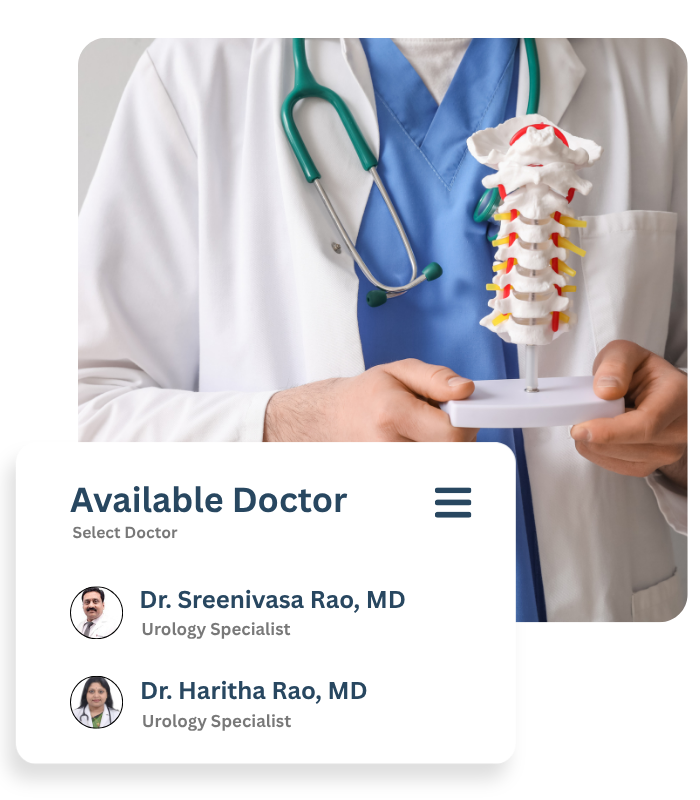
What is Orthopedics?
Orthopedics is a medical speciality dedicated to diagnosing, treating and managing conditions affecting the musculoskeletal system. This includes your bones, joints, muscles, ligaments, tendons and spine. From a sudden fracture after an accident to ongoing knee pain, arthritis or a sports injury, an orthopedic specialist can help identify the problem and recommend the right course of treatment. Depending on your condition, treatment may be surgical or non-surgical.
At Ayaansh Hospital, orthopedic services cover a range of conditions, including fractures, arthritis, injuries and joint-related problems. Patients can receive evaluation, diagnosis and treatment based on their individual condition and requirements. If you are trying to find the best orthopedic doctor in Bangalore,Indiranagar looking for experienced specialists, appropriate diagnostic support and comprehensive treatment options can help you make a more informed healthcare decision.
What Conditions Does An Orthopedician in Bangalore Treat?
The best orthopedic doctor in Bangalore treats conditions that affect the bones, joints, muscles, ligaments, tendons and spine. From sudden injuries and fractures to long-term conditions such as arthritis, they help diagnose the cause of pain and recommend suitable treatment based on your condition. Some of the common conditions treated by an orthopedician in Bangalore, Indiranagar include:
- Fractures and Bone Injuries: Orthopedicians diagnose and treat broken or fractured bones caused by falls, accidents, sports injuries or other trauma.
- Arthritis and Joint Problems: Conditions such as osteoarthritis can cause pain, stiffness and reduced movement in the knees, hips, shoulders and other joints. Orthopedic care can help manage symptoms and improve mobility.
- Sports Injuries: Sprains, ligament tears, tendon injuries, muscle strains and other sports-related injuries can be evaluated and treated by an orthopedician.
- Spine and Back Conditions: Orthopedician in Bangalore, Indiranagar can assess problems such as persistent back pain, neck pain, spinal injuries and certain conditions affecting the spine.
- Joint and Mobility Problems: Persistent knee, hip, shoulder or other joint pain, stiffness and restricted movement may require orthopedic evaluation. Depending on the condition, treatment can include medication, physiotherapy, rehabilitation, injections or surgery.
How Do I Find The Best Orthopedic Doctor in Bangalore, Indiranagar?
Finding an orthopedician doctor near me in Bangalore is not just about choosing the closest clinic. The right specialist should have relevant experience, access to appropriate diagnostic facilities and the ability to provide treatment suited to your condition. Here are some factors to consider when choosing an orthopedician:
| Condition | Description |
|---|---|
| Experience & Qualifications | Check the orthopedician’s qualifications, years of experience and areas of expertise. |
| Specialisation | Look for a doctor experienced in treating your specific concern, such as knee pain, arthritis, fractures, sports injuries or spine problems. |
| Diagnostic Facilities | Choose a hospital or clinic with access to diagnostic services such as X-rays, MRI scans and other relevant investigations. |
| Treatment Options | Check whether the specialist provides both non-surgical and surgical treatment options based on your condition. |
| Hospital Infrastructure | Good infrastructure, modern equipment, operating facilities and rehabilitation support can make treatment and recovery more convenient. |
| Patient Reviews | Reviews and feedback can give you an idea about patients’ experiences, communication and overall care. |
| Location & Accessibility | Look for an orthopedician doctor near me, especially if you require repeated consultations, physiotherapy or follow-up care. |
| Comprehensive Care | A hospital offering related specialties and rehabilitation services can be useful when your condition requires multidisciplinary care. |
How Does a Urologist In Indiranagar Plan Your Treatment?
01
Medical History and Symptoms
The orthopedic doctor begins by discussing your symptoms, when they started, their severity and whether anything makes them better or worse. They may also ask about previous injuries, surgeries, medical conditions, medications and your daily physical activities.
02
Physical Examination
The doctor examines the affected area to identify swelling, tenderness, stiffness, weakness or restricted movement. They may assess your posture, walking pattern, joint stability, muscle strength and range of motion to understand how the condition is affecting your mobility.
03
X-Ray and Imaging Tests
Depending on the initial assessment, the doctor may recommend an X-ray to examine bones, fractures, alignment or signs of arthritis. X-rays are commonly used for orthopedic problems, while other imaging tests may be recommended when more detailed evaluation is required.
04
MRI or CT Scan
If the condition involves soft tissues, complex fractures or structures that cannot be assessed clearly through an X-ray, an MRI or CT scan may be recommended. These scans can provide more detailed information about bones, cartilage, ligaments, tendons and other tissues.
05
Laboratory Tests
Blood or other laboratory tests may sometimes be recommended when the doctor suspects conditions such as infection, inflammation or certain types of arthritis. These tests can provide additional information and help rule out other possible causes of your symptoms.
05
Diagnosis and Treatment Plan
After reviewing your symptoms, examination findings and test results, the orthopedic doctor determines the likely cause of your condition. They then discuss suitable treatment options, which may include medication, physiotherapy, rehabilitation, injections, lifestyle changes or surgery when necessary.
Why is Ayaansh The Best Urology Hospital in Bangalore?
Experienced Team Of Orthopedic Specialists
Ayaansh has an expert team led by an experienced orthopedic doctor in Bangalore who evaluate your condition carefully & recommend treatment based on your symptoms, diagnosis & individual healthcare needs.
Comprehensive Orthopedic Care
From fractures and arthritis to joint pain and sports injuries, Ayaansh’s best orthopedician in Indiranagar provides evaluation, diagnosis & treatment for a wide range of orthopedic conditions.
Advanced Diagnostic Support
Access to appropriate diagnostic facilities helps specialists assess bone, joint, muscle, ligament and spine conditions accurately before recommending a suitable treatment approach.
Personalised Treatment Plans
Orthopedic conditions can affect every patient differently. Ayaansh focuses on understanding individual requirements and developing treatment plans suited to the patient's condition and recovery goals.
Surgical & Non-Surgical Treatment Options
Depending on your diagnosis, Ayaansh offers appropriate non-surgical and surgical treatment options, allowing your orthopedic care to be tailored to the severity and nature of your condition.

Can An Orthopedician Doctor Near Me Treat Sports Injuries & Fractures?
Sports injuries can affect the muscles, bones, joints, ligaments and tendons, and their severity can vary from mild strains to serious injuries. An orthopedician can assess the injury, identify the affected structures and recommend treatment based on its severity.
- Sprains and Strains: They can evaluate stretched or torn ligaments and muscles and recommend appropriate treatment and rehabilitation.
- Ligament Injuries: Injuries such as ACL or other ligament tears can be assessed through examination and imaging when required.
- Tendon Injuries: Conditions such as tendonitis or tendon tears can be managed with suitable medication, physiotherapy, rehabilitation or other treatments.
- Fractures: Sports-related fractures can be diagnosed and treated through immobilisation, medication or surgery when necessary.
- Rehabilitation: Orthopedic care may include rehabilitation to help restore strength, flexibility, movement and function before returning to sports.
When Is Orthopedic Surgery Recommended?
Orthopedic surgery is generally considered when a condition cannot be adequately managed through non-surgical treatment or when surgery can provide a better outcome. The decision depends on the condition, its severity and the patient's overall health.
- Severe Injuries: Major fractures, complete ligament tears or serious joint injuries may require surgical intervention.
- Persistent Symptoms: Surgery may be considered when pain, stiffness or restricted movement continues despite appropriate non-surgical treatment.
- Advanced Joint Damage: Significant damage caused by conditions such as arthritis may eventually require procedures such as joint replacement.
- Failed Conservative Treatment: If medication, physiotherapy, rehabilitation or other non-surgical approaches do not provide sufficient improvement, surgery may be considered.
- Functional Limitations: Surgery may be recommended when a condition significantly affects mobility, daily activities or quality of life.
What Happens During an Orthopedic Consultation?
A consultation with an orthopedician in Bangalore is primarily about understanding what is causing your pain, injury or movement problem. The doctor will discuss your symptoms, examine the affected area and determine whether further investigations are needed.
- Discussion of Symptoms: The doctor asks about your symptoms, when they began, their severity and activities or movements that worsen or relieve them.
- Medical History: Previous injuries, surgeries, existing health conditions, medications and relevant family history may be discussed.
- Physical Examination: The affected area may be checked for swelling, tenderness, stiffness, weakness, instability and restricted range of motion.
- Diagnostic Tests: Depending on the initial assessment, the doctor may recommend X-rays, MRI, CT scans or laboratory tests for further evaluation.
- Treatment Discussion: Once the condition is assessed, the doctor explains the diagnosis and discusses suitable treatment and follow-up options.
How Long Does Orthopedic Treatment Usually Take?
There is no fixed duration for orthopedic treatment because recovery depends on the condition, its severity, the treatment required and the individual's response to care. Some minor injuries improve within weeks, while complex conditions may take longer.
- Minor Injuries: Mild strains, sprains and similar problems may improve with rest, medication and rehabilitation over a relatively short period.
- Fractures: Recovery varies depending on the type and location of the fracture, with some fractures taking several weeks or longer to heal.
- Chronic Conditions: Conditions such as arthritis may require ongoing management rather than a single course of treatment.
- After Surgery: Recovery depends on the procedure and may involve several weeks or months of rehabilitation.
- Follow-Up Care: Regular follow-ups may be recommended to monitor healing, assess progress and adjust the treatment plan when necessary.
What Happens If an Orthopedic Problem Is Left Untreated?
Ignoring persistent pain, restricted movement or an injury may allow an orthopedic problem to worsen over time. Early evaluation can help identify the underlying cause and determine whether treatment is needed to prevent further complications.
- Pain May Worsen: An untreated condition can sometimes lead to persistent or increasing pain that interferes with everyday activities.
- Reduced Mobility: Ongoing joint, muscle or bone problems may gradually affect movement, flexibility and physical function.
- Further Damage: Certain untreated injuries, particularly involving joints, ligaments or tendons, may become more difficult to manage.
- Compensatory Problems: Altered movement caused by pain or weakness can place additional stress on other parts of the body.
- Delayed Recovery: Delaying appropriate care may make rehabilitation more challenging and can potentially prolong the recovery process.
Don’t Let Your Health Take a Backseat!
Schedule an appointment with one of our
experienced medical professionals today!
Frequently Asked Questions
What is the difference between orthopedics and physiotherapy?
Orthopedics focuses on diagnosing and treating conditions affecting the bones, joints, muscles, ligaments, tendons and spine. Physiotherapy focuses mainly on improving movement, strength, flexibility and function through exercises and rehabilitation. Depending on the condition, an orthopedic doctor may recommend physiotherapy as part of your overall treatment plan.
Can an orthopedic doctor treat bone and joint pain?
Yes, an orthopedic doctor can evaluate and treat many causes of bone and joint pain, including arthritis, fractures, injuries and other musculoskeletal conditions. Treatment depends on the underlying cause and may involve medication, physiotherapy, rehabilitation, injections or surgery. If you are looking for an orthopedic doctor near me, choose a specialist who has experience treating your specific condition.
Will I need an X-ray for joint pain?
Not necessarily. Whether you need an X-ray depends on your symptoms, physical examination and the suspected cause of your joint pain. An orthopedic doctor may recommend an X-ray to check for fractures, joint damage, alignment issues or signs of arthritis, while other investigations may be suggested when required.
How long does it take to recover from an orthopedic injury?
Recovery time varies depending on the type and severity of the injury, the treatment required and your individual healing process. Minor sprains or strains may improve within a few weeks, while fractures, ligament injuries or surgical procedures can require several weeks or months. Consulting an orthopedician doctor near me can help you understand the expected recovery timeline for your specific injury.
How often do I need follow-up visits after orthopedic treatment?
The frequency of follow-up visits depends on your condition, treatment and recovery progress. Your orthopedic doctor may schedule appointments to monitor healing, assess mobility and modify medication, physiotherapy or rehabilitation when needed. Patients undergoing surgery or treatment for significant injuries may require more frequent follow-ups than those recovering from minor conditions.
How can an orthopedician doctor near me help with chronic bone or joint pain?
An orthopedician doctor near you can evaluate the underlying cause of chronic bone or joint pain, whether it is related to arthritis, an old injury, overuse or another musculoskeletal condition. They may recommend diagnostic tests such as X-rays or MRI scans to understand the problem better. Based on the diagnosis, treatment can include medication, physiotherapy, rehabilitation, injections or surgery when required. Regular follow-ups can also help monitor your progress and manage persistent pain effectively.
Contact Us
Ground Floor, 510, Chinmaya Mission Hospital Rd, Binnamangala, Hoysala Nagar, Indiranagar, Bengaluru, Karnataka 560038
Expert Care
Urology
Pediatrics
Gynecology
NICU
Oncology
GI Surgery
Birthing
Gynecological Oncology
Gynecological Endoscopy
General Surgery
Orthopedics
Patient Support
Our Experts
Book Appointment
Patient Testimonials
Quick Links
About Us
FAQ
Blogs
Gallery
Contact Us