
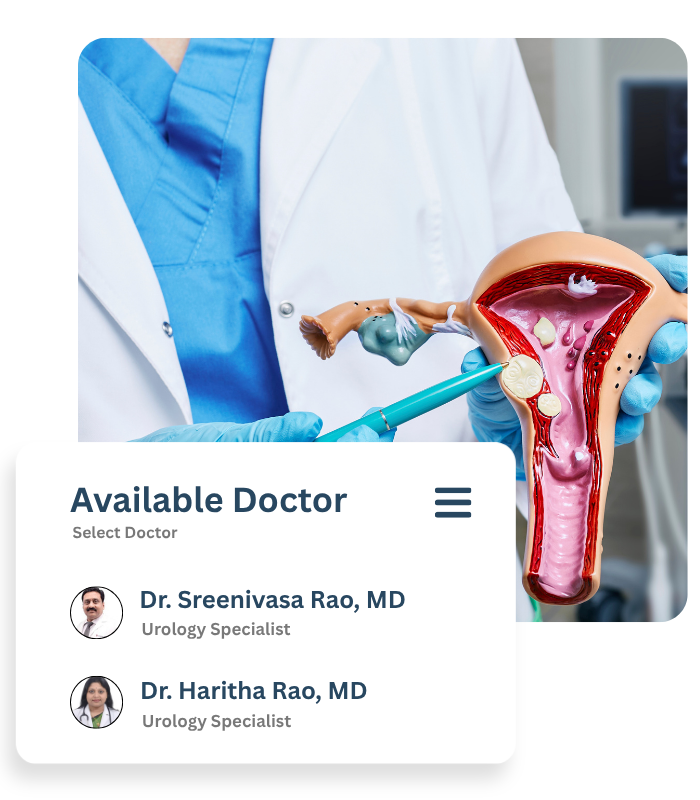
Gynecological Endoscopy in Bangalore
When a gynecological condition cannot be fully understood through a physical examination or imaging alone, doctors may recommend an endoscopic procedure for a closer look. Gynecological endoscopy uses a small camera and specialized instruments to examine areas of the female reproductive system. Depending on the condition, it may be used for diagnosis, treatment, or both, making it an important part of minimally invasive gynecological care.
The two commonly used approaches are hysteroscopy, which examines the inside of the uterus, and laparoscopy, which allows doctors to view the pelvic organs through small abdominal incisions. For patients seeking gynec endoscopy in Bangalore, these procedures may help evaluate conditions including endometriosis, fibroids, ovarian cysts, infertility-related concerns, and abnormal bleeding while avoiding the need for larger surgical incisions in suitable cases.
What Are the Types of Gynecological Endoscopy?
Gynecological endoscopy includes different minimally invasive procedures, with the choice depending on which reproductive organs need to be examined or treated.
- Hysteroscopy: A thin camera is passed through the vagina and cervix to examine the inside of the uterus. It can help diagnose or treat issues such as uterine polyps, fibroids, abnormal bleeding, and some fertility-related problems.
- Laparoscopy: A small camera is inserted through tiny abdominal incisions to view the uterus, ovaries, fallopian tubes, and surrounding pelvic organs. It may be used for conditions such as endometriosis, ovarian cysts, adhesions, and certain causes of infertility.
- Diagnostic Endoscopy: This is performed primarily to identify or assess a suspected gynecological condition when other tests do not provide enough information.
- Operative Endoscopy: In some cases, doctors can treat the identified problem during the same endoscopic procedure, such as removing a polyp, treating endometriosis, or addressing adhesions.
- Fertility-Related Endoscopy: Hysteroscopy and laparoscopy may be used to investigate structural or pelvic problems that could contribute to infertility, including uterine abnormalities, blocked tubes, adhesions, or endometriosis.
What Conditions Can Gynecological Endoscopy Diagnose or Treat?
Gynecological endoscopy in Bangalore can help doctors diagnose and, in some cases, treat a range of conditions affecting the uterus, ovaries, fallopian tubes, and other pelvic structures.
Condition | How Gynecological Endoscopy Helps |
Endometriosis | Laparoscopy can help identify endometrial-like tissue growing outside the uterus and may also allow the doctor to treat or remove affected tissue. |
Uterine Fibroids | Hysteroscopy can help identify fibroids that project into the uterine cavity, while suitable fibroids may be removed using operative hysteroscopy. |
Endometrial Polyps | Hysteroscopy provides a direct view of the uterine cavity and can help detect and remove abnormal polyps. |
Ovarian Cysts | Laparoscopy can help examine certain ovarian cysts and, when appropriate, allow them to be treated or removed. |
Pelvic Adhesions | Laparoscopy can identify scar tissue or adhesions around the pelvic organs and may allow the surgeon to separate them. |
Blocked Fallopian Tubes | Laparoscopy can help assess the fallopian tubes and surrounding pelvic structures, particularly during infertility evaluation. |
Infertility-Related Conditions | Hysteroscopy and laparoscopy may help identify uterine abnormalities, endometriosis, adhesions, or other structural issues that could contribute to infertility. |
Abnormal Uterine Bleeding | Hysteroscopy can help examine the uterine cavity to identify possible causes such as polyps, fibroids, or other abnormalities. |
Pelvic Pain | Laparoscopy may be recommended when the cause of persistent pelvic pain is unclear and conditions such as endometriosis or adhesions are suspected. |
Uterine Abnormalities | Hysteroscopy can provide a detailed view of the uterine cavity and help identify certain structural abnormalities that may not be fully evaluated through routine tests. |
How is Gynec Endoscopy in Bangalore Performed?
01
Evaluation Before Procedure
The gynecologist reviews your symptoms, medical history, medications, and test results to determine the appropriate endoscopic procedure and necessary preparation.
02
Anaesthesia Administration
Depending on the procedure, local, regional, or general anaesthesia may be administered to ensure comfort and prevent pain during the examination or treatment.
03
Endoscope Insertion
For hysteroscopy, the camera passes through the vagina and cervix; for laparoscopy, it enters through a small abdominal incision.
04
Internal Examination
The camera provides a magnified view of the uterus, ovaries, fallopian tubes, or surrounding pelvic structures, helping identify abnormalities requiring further evaluation.
05
Treatment If Required
When appropriate, specialized instruments can be introduced alongside the endoscope to remove polyps, treat endometriosis, release adhesions, or address other identified problems.
05
Recovery and Follow-Up
After the procedure, you are monitored during recovery, provided with post-procedure instructions, and scheduled for follow-up based on your condition and treatment.
Why Choose Ayaansh While Looking For Gynec Endoscopy Near Me?
Experienced Gynecological Team
Skilled gynecologists with experience in minimally invasive procedures provide careful evaluation and treatment based on each patient’s condition and requirements.
Advanced Endoscopic Technology
Modern endoscopic equipment enables detailed visualization of reproductive organs, supporting accurate diagnosis and precise treatment during suitable gynecological procedures.
Minimally Invasive Approach
Hysteroscopy and laparoscopy use minimally invasive techniques that can reduce surgical trauma, scarring, postoperative discomfort, and recovery time in appropriate cases.
Comprehensive Women’s Healthcare
Access to gynecology and fertility-related services allows patients to receive coordinated care when endoscopic evaluation is required for reproductive or gynecological concerns.

Why Is Gynecological Endoscopy Performed?
Gynecological endoscopy is performed to examine the reproductive organs more closely and diagnose or treat conditions that may not be fully evaluated through routine tests.
- Diagnosing Endometriosis: Laparoscopy can help doctors identify endometrial-like tissue outside the uterus and, when appropriate, treat the affected areas during the same procedure.
- Evaluating Abnormal Bleeding: Hysteroscopy allows the doctor to examine the uterine cavity and identify possible causes of abnormal bleeding, including polyps, fibroids, or other abnormalities.
- Assessing Pelvic Pain: When persistent pelvic pain has no clear cause, endoscopy may help identify conditions such as endometriosis, adhesions, ovarian cysts, or other pelvic abnormalities.
- Identifying Uterine Abnormalities: Hysteroscopy provides a direct view of the inside of the uterus, helping specialists assess structural abnormalities that may require further treatment.
- Treating Identified Conditions: Depending on the findings, certain problems can be treated during the procedure itself, potentially avoiding the need for separate conventional surgery.
What Are the Benefits of Gynec Endoscopy in Bangalore?
Gynec endoscopy offers a minimally invasive approach to diagnosing and managing several gynecological conditions. At Ayaansh, the procedure can be considered based on the patient's individual diagnosis and treatment requirements.
- Minimally Invasive Approach: Endoscopic procedures generally involve smaller access points than conventional open surgery, which may help reduce tissue trauma and postoperative discomfort.
- Detailed Visualization: A camera provides doctors with a magnified view of the reproductive organs, helping them examine areas that may be difficult to assess through routine investigations alone.
- Diagnosis and Treatment Together: In suitable cases, doctors can diagnose a problem and perform treatment during the same procedure, depending on the findings and patient's condition.
- Potentially Faster Recovery: Smaller surgical access points may support a shorter recovery period compared with some traditional open procedures, although recovery varies between patients.
- Specialist-Led Care: At Ayaansh, gynecological evaluation and minimally invasive treatment can be planned according to individual symptoms, diagnosis, medical history, and overall healthcare needs.
Is Gynecological Endoscopy a Painful Procedure?
Gynecological endoscopy is generally performed with appropriate anaesthesia or sedation to keep the patient comfortable. The type of anaesthesia and level of discomfort can vary depending on the procedure.
- Anaesthesia for Comfort: Depending on whether hysteroscopy or laparoscopy is being performed, the doctor may recommend suitable anaesthesia to minimize discomfort during the procedure.
- Mild Discomfort Afterwards: Some patients may experience cramping, abdominal discomfort, bloating, or mild soreness after the procedure, particularly following laparoscopy.
- Temporary Symptoms: Any discomfort or spotting experienced after certain procedures is usually temporary, but patients should follow their doctor's individual recovery instructions.
- Pain Management: Your medical team can recommend appropriate pain-relief measures based on the procedure performed and your individual recovery requirements.
- Individual Experience Varies: The level of discomfort can differ from person to person depending on the procedure, treatment performed, pain sensitivity, and overall health.
How Long Does a Gynec Endoscopy Procedure Take?
The duration of gynecological endoscopy varies depending on the type of procedure, whether it is diagnostic or operative, and the complexity of the condition being addressed.
- Type of Procedure: Hysteroscopy and laparoscopy have different procedure times because they involve examining different areas of the female reproductive system.
- Diagnostic Procedures: A procedure performed only for examination may take less time than one involving additional treatment or tissue removal.
- Treatment Required: Removing polyps, treating endometriosis, releasing adhesions, or addressing other abnormalities can increase the overall procedure time.
- Patient-Specific Factors: Previous surgeries, underlying medical conditions, and the complexity of the findings may influence how long the procedure takes.
- Recovery Time: The procedure itself is only part of the hospital visit; patients may also need time for anaesthesia recovery, observation, and discharge preparations.
What Factors Determine the Cost of Gynecological Endoscopy in Bangalore?
The cost of gynecological endoscopy in Bangalore can vary considerably because the final expense depends on the procedure, treatment requirements, hospital facilities, and individual patient factors.
- Type of Endoscopy: The cost may differ depending on whether you require hysteroscopy, laparoscopy, or another type of gynecological endoscopic procedure.
- Diagnostic or Operative Procedure: A procedure involving additional treatment, such as removing a polyp or treating endometriosis, may cost more than a diagnostic procedure alone.
- Anaesthesia Charges:The type of anaesthesia required and associated anaesthesia services can contribute to the overall treatment cost.
- Hospital and Facility Charges: Operating-room facilities, equipment, medications, monitoring, and hospital stay can influence the total cost of the procedure.
- Additional Tests and Follow-Up: Pre-procedure investigations, pathology testing, medicines, and follow-up care may also form part of the overall treatment expenses at Ayaansh.
Don’t Let Your Health Take a Backseat!
Schedule an appointment with one of our
experienced medical professionals today!
Frequently Asked Questions
Is gynecological endoscopy a surgery?
Yes, gynecological endoscopy refers to minimally invasive surgical procedures such as hysteroscopy and laparoscopy. Depending on the procedure, it may be used for diagnosis, treatment, or both.
Is gynecological endoscopy used for infertility evaluation and treatment?
Yes, gynecological endoscopy can help identify conditions that may affect fertility, including endometriosis, adhesions, uterine abnormalities, and certain tubal problems. At Ayaansh, the procedure may be considered as part of an individualized fertility evaluation when clinically appropriate.
Can gynecological endoscopy help diagnose endometriosis?
Yes, laparoscopy can help doctors identify endometriosis and assess its location and extent within the pelvis. In suitable cases, treatment of visible endometriosis can also be performed during the procedure.
What tests may be needed before gynecological endoscopy in Bangalore?
Depending on your health and the planned procedure, your doctor may recommend blood tests, ultrasound or other imaging, and pre-anaesthesia evaluation. At Ayaansh, the required investigations are determined according to your medical history and procedure.
Are there any side effects after gynecological endoscopy?
Some patients may experience temporary cramping, mild bleeding, abdominal discomfort, bloating, or soreness after the procedure. Your doctor will provide specific recovery instructions and advise you about symptoms that require medical attention.
Can gynecological endoscopy leave scars?
Laparoscopy generally involves small abdominal incisions, which may leave small scars that usually become less noticeable over time. Hysteroscopy is performed through the natural vaginal and cervical passage and does not involve abdominal incisions.