
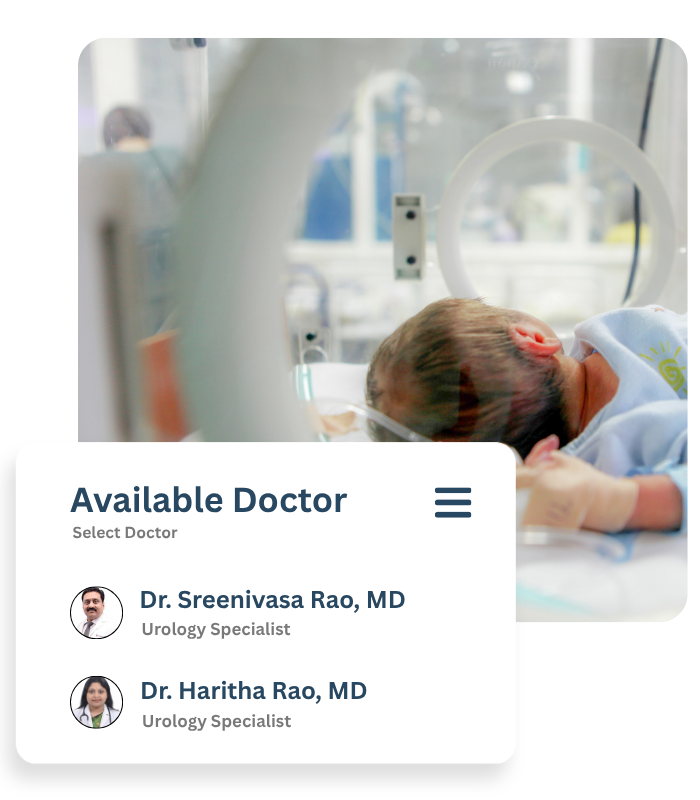
Neonatal Intensive Care Unit in Bangalore
The first few days of a newborn’s life can sometimes require more medical support than expected. Premature birth, low birth weight, breathing problems, infections and other complications may make specialised neonatal care necessary. A well-equipped NICU provides continuous monitoring and timely medical support while giving fragile newborns the care they need to stabilise and grow. For families looking for NICU in Bangalore, choosing a facility with appropriate neonatal expertise and facilities is an important decision.
At Ayaansh, neonatal care is supported by specialised professionals and facilities designed to care for newborns who need additional medical attention. The neonatal intensive care unit in Bangalore at Ayaansh focuses on close monitoring, appropriate treatment and compassionate support, helping families navigate their baby’s care with greater confidence.
What Is A Neonatal Intensive Care Unit For?
A Neonatal Intensive Care Unit (NICU) is a specialised unit that provides intensive medical care and continuous monitoring to newborns who need additional support after birth. It is equipped to manage premature babies, low-birth-weight babies and newborns with medical complications.
- Caring for Premature Babies: Babies born before full term may need support with breathing, feeding, maintaining body temperature and gaining weight while their organs continue to mature.
- Managing Breathing Difficulties: Some newborns may have difficulty breathing independently and may require oxygen therapy, respiratory support or ventilation under close medical supervision.
- Treating Newborn Health Conditions: NICUs provide specialised care for conditions such as infections, jaundice, low blood sugar and complications that may arise during or shortly after birth.
- Providing Continuous Monitoring: A NICU allows healthcare professionals to closely monitor a baby’s heart rate, breathing, oxygen levels, temperature and other vital signs for timely intervention when needed.
- Supporting Feeding and Nutrition: Babies who are too premature or unwell to feed normally can receive nutritional support through feeding tubes, expressed breast milk or intravenous nutrition until they are ready to feed independently.
When Does a Newborn Baby Need NICU in Bangalore?
Situation | Why NICU Care May Be Needed |
Premature Birth | Babies born before 37 weeks may need support with breathing, feeding, maintaining body temperature and other essential functions while their organs continue to mature. |
Low Birth Weight | Babies with a very low birth weight may require close monitoring of their growth, temperature, blood sugar and feeding until they become medically stable. |
Breathing Difficulties | Newborns experiencing respiratory distress or other breathing problems may need oxygen, non-invasive respiratory support or mechanical ventilation in the NICU. |
Infections | Babies with suspected or confirmed infections may require antibiotics, blood tests, continuous monitoring and other supportive treatment under neonatal specialists. |
Complications During Birth | Difficulties during labour or delivery, including a lack of oxygen or other complications, may require immediate observation and specialised neonatal support. |
Jaundice Requiring Intensive Treatment | Severe newborn jaundice may require treatments such as phototherapy and close monitoring of bilirubin levels to prevent complications. |
Feeding Difficulties | Premature or medically unwell babies may not be able to feed safely by mouth and may need feeding tubes or other nutritional support. |
Congenital Conditions | Babies born with certain heart, lung, neurological or other congenital conditions may require specialised evaluation, monitoring and treatment in the NICU in Bangalore. |
Low Blood Sugar or Other Metabolic Problems | Newborns with significantly low blood sugar or certain metabolic abnormalities may need frequent testing, IV fluids or other medical support until their condition stabilises. |
Need for Close Monitoring | Some babies may appear stable but still require continuous monitoring because of their medical history or risk of developing complications after birth. |
What Treatments Are Provided in a NICU?
01
Respiratory Support
Oxygen therapy, CPAP or mechanical ventilation may help babies who have difficulty breathing independently due to prematurity or respiratory conditions.
02
Phototherapy for Jaundice
Phototherapy uses special light to reduce elevated bilirubin levels in newborns and helps prevent complications associated with severe jaundice.
03
Feeding and Nutritional Support
Babies unable to feed normally may receive expressed breast milk or formula through a feeding tube, while some may require intravenous nutrition.
04
Intravenous Fluids and Medicines
IV fluids, antibiotics and other medicines may be administered when babies need treatment for infections, dehydration, low blood sugar or other medical conditions.
05
Temperature Management
Incubators and radiant warmers help premature and medically fragile babies maintain a stable body temperature while their ability to regulate heat develops.
05
Continuous Monitoring and Supportive Care
Specialised monitors continuously track heart rate, breathing, oxygen levels and temperature, allowing the neonatal team to identify changes and provide timely care.
Why Choose Ayaansh As Your NICU in Bangalore?
Specialised Neonatal Care
Ayaansh provides dedicated care for premature, low-birth-weight and medically vulnerable newborns, with treatment planned according to each baby’s individual needs.
Continuous Monitoring
Newborns requiring intensive care can be closely monitored for vital parameters, allowing the neonatal team to identify changes promptly and provide appropriate medical support.
Advanced NICU Support
The NICU is equipped to provide essential neonatal interventions, including respiratory support, nutritional assistance and other treatments based on the baby’s condition.
Family-Centred Approach
Ayaansh recognises the importance of keeping parents informed and involved, helping families understand their baby’s condition, treatment plan and progress throughout the NICU stay.

What Are the Different Levels of NICU Care in Bangalore?
NICUs can provide different levels of specialised care depending on a newborn’s condition, gestational age and treatment needs. The exact classification may vary between hospitals, but neonatal care generally ranges from basic support to highly specialised intensive care.
- Level I - Healthy-Baby Care: Provides routine care for healthy newborns and babies who need basic observation, monitoring and stabilisation before transfer when higher-level care is required.
- Level II - Special Care Nursery: Provides care for premature or moderately unwell babies who need closer monitoring, oxygen support, IV fluids or short-term respiratory assistance.
- Level III - NICU Care:Provides intensive care for very premature or seriously ill newborns who may require advanced respiratory support, specialised monitoring and complex medical treatment.
- Level IV - Advanced Neonatal Care: Offers the highest level of neonatal care, including intensive treatment for critically ill newborns and access to specialised surgical or subspecialty services when required.
Do Premature Babies Always Need NICU Care?
Not every premature baby requires intensive care, as the level of support needed depends on their gestational age, birth weight and overall health. Some premature babies may only require special observation, while others need comprehensive NICU support.
- Gestational Age: Babies born very early are more likely to need NICU care because their lungs, brain and other organs may still be developing.
- Birth Weight: Very low birth-weight babies may require specialised monitoring and assistance with temperature regulation, feeding and other essential functions.
- Breathing Ability:Some premature babies may not yet have the coordination needed to suck, swallow and breathe safely, requiring tube feeding or other nutritional support.
- Feeding Development: Parents can seek guidance about balanced nutrition, feeding habits, appetite, healthy weight gain, and changing dietary needs.
- Overall Medical Stability:Doctors assess each baby individually and determine whether NICU admission, a special-care nursery or routine newborn care is most appropriate.
Can Babies With Heart Problems Be Treated in the NICU?
Yes, NICU in Bangalore, Indiranagar can provide monitoring and supportive care for newborns with certain heart problems. The type of treatment depends on the specific cardiac condition, its severity and whether the baby requires additional specialised cardiac or surgical services.
- Continuous Monitoring: Babies with heart conditions can have their heart rate, oxygen levels, breathing and other vital parameters closely monitored.
- Medication Support: Certain medicines may be administered to help maintain circulation or manage symptoms while the baby's condition is being evaluated and treated.
- Respiratory Support: Newborns experiencing breathing difficulties associated with their cardiac condition may require oxygen or other respiratory support.
- Cardiac Evaluation: The neonatal team may coordinate investigations such as echocardiography and consultations with paediatric cardiology specialists when required.
- Specialised Referral: If a baby requires cardiac surgery or highly specialised intervention, the neonatal team can coordinate care with an appropriate paediatric cardiac centre or specialist team.
Does a NICU Provide IV Fluids and Medicines?
Yes, IV fluids and medicines are commonly used in NICU care when a newborn cannot receive adequate fluids or medication by mouth. The neonatal team determines what is required based on the baby’s condition, weight and treatment needs.
- IV Fluids: Fluids may help maintain hydration and provide essential support when a baby cannot take enough milk orally.
- Antibiotics: Babies with suspected or confirmed bacterial infections may receive antibiotics through an IV under medical supervision.
- Glucose Support: IV glucose may be used when a newborn has low blood sugar that requires prompt correction or cannot maintain adequate glucose levels through feeding.
- Medication Administration: Certain medicines can be delivered intravenously when rapid or controlled administration is necessary for the baby’s treatment.
- Close Monitoring: Babies receiving IV fluids or medicines are carefully monitored to assess their response and adjust treatment as their condition changes.
How Are Newborns Monitored in an NICU in Bangalore?
Newborns in a NICU are monitored continuously or at regular intervals depending on their medical condition and level of care required. Monitoring helps the neonatal team identify changes quickly and make timely decisions about treatment.
- Heart Rate Monitoring: Special monitors continuously track the baby’s heart rate and can alert the care team if significant changes occur.
- Breathing Monitoring: The baby’s breathing pattern and respiratory rate are observed, particularly when respiratory support is required.
- Oxygen Level Monitoring: A pulse oximeter measures oxygen saturation in the blood to help assess whether the baby is receiving adequate oxygen.
- Temperature Monitoring: The baby’s body temperature is regularly monitored, with incubators or radiant warmers used when additional temperature support is needed.
- Feeding and Growth Monitoring: Healthcare professionals track feeding tolerance, fluid intake, urine output and weight changes to assess nutrition and overall progress.
Don’t Let Your Health Take a Backseat!
Schedule an appointment with one of our
experienced medical professionals today!
Frequently Asked Questions
How long do babies usually stay in the nicu?
The length of a NICU stay varies depending on the baby’s gestational age, medical condition and response to treatment. Some babies may need care for a few days, while premature or medically complex babies may stay for several weeks or longer. The neonatal team usually considers factors such as stable breathing, feeding ability, weight gain and temperature regulation before discharge.
How are babies fed in the nicu?
Babies in the NICU may be fed differently depending on their maturity and medical condition. If a baby cannot breastfeed or bottle-feed safely, expressed breast milk or formula may be given through a feeding tube. Very premature or critically ill babies may also receive fluids or nutrition through an intravenous line until they can tolerate regular feeds.
When can a baby be discharged from an nicu in bangalore?
A baby can generally be discharged when their condition is medically stable and they no longer require intensive monitoring or specialised support. The baby may need to maintain body temperature, breathe independently, feed adequately and show consistent weight gain. The neonatal team will assess the baby’s individual progress and provide parents with guidance for care and follow-up after discharge.
Is a neonatal intensive care unit available 24/7?
A Neonatal Intensive Care Unit is generally designed to provide specialised monitoring and medical care around the clock. Neonatal doctors, nurses and other healthcare professionals can monitor babies continuously and respond to changes in their condition. However, the availability of specific specialists and services can vary between hospitals, so parents should confirm the facilities offered by their chosen NICU.
How can I find a neonatal intensive care unit near me?
When searching for a neonatal intensive care unit near me, consider hospitals with experienced neonatal specialists, appropriate NICU facilities and round-the-clock monitoring. It is also useful to check whether the unit can provide respiratory support, feeding assistance, emergency care and other services your baby may require. For families in Bangalore, comparing the hospital’s neonatal expertise, facilities and accessibility can help in choosing an appropriate NICU.