
What Is a High-Risk Pregnancy? Signs and Risk Factors
What Is a High-Risk Pregnancy? Signs and Risk Factors
Pregnancy is often imagined as a straightforward journey that follows a predictable path. But the reality is that every pregnancy is different. Some women move through pregnancy with routine check-ups and few concerns, while others need closer monitoring because certain health conditions or pregnancy-related complications can increase the chances of problems for the mother, baby, or both. This is where the term high-risk pregnancy comes in.
So, what is a high risk pregnancy? Understanding the signs and risk factors is important, especially if you are planning a baby or are already pregnant. A high-risk pregnancy does not necessarily mean that something will go wrong. It simply means that the pregnancy needs more careful observation, additional tests, or specialised medical care because certain factors may increase the possibility of complications.
Recognising risk factors early can make a major difference. Regular antenatal visits allow your doctor to monitor your health, track the baby’s growth, identify potential problems, and recommend treatment or lifestyle changes when needed. Knowing what is a high risk pregnancy can also help expecting parents understand why their doctor may recommend more frequent check-ups or additional monitoring.
In this blog, we will explain what is a high risk pregnancy, what makes a pregnancy high risk, the common risk factors, warning signs you should not ignore, how high-risk pregnancies are monitored, and what you can do to support a healthier pregnancy.
What Is a High-Risk Pregnancy?
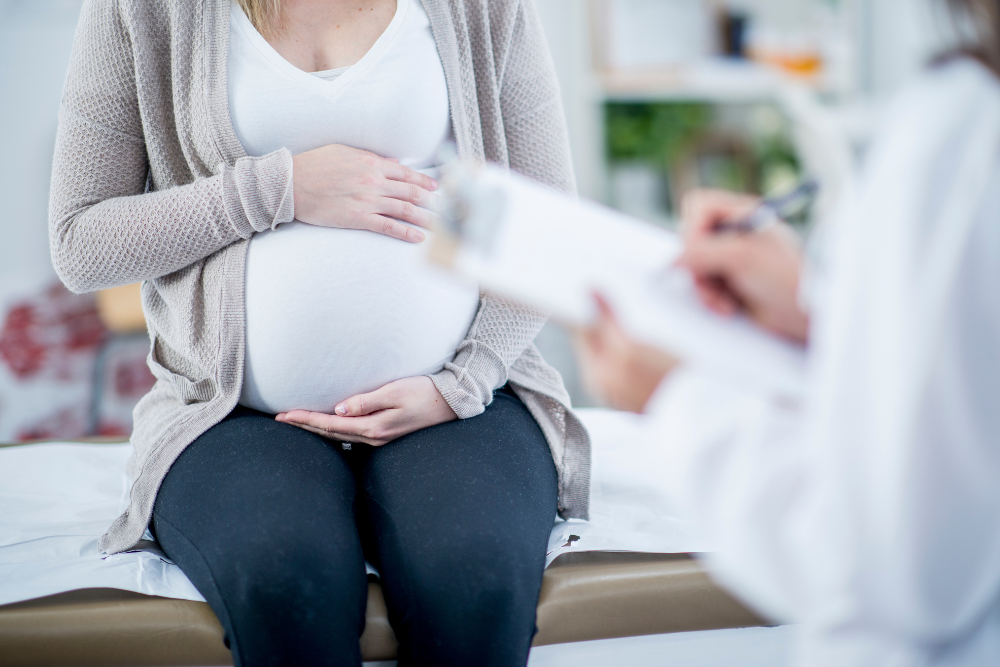
A high-risk pregnancy is a pregnancy where the mother, baby, or both have a higher chance of developing health complications compared with a typical pregnancy. This does not mean that complications are certain. Instead, it means your doctor may recommend closer monitoring and additional care throughout pregnancy.
Here are some important things to understand:
- It can be identified before pregnancy: Some high-risk pregnancies can be recognised even before conception. Conditions such as diabetes, high blood pressure, kidney disease, thyroid disorders, or certain heart conditions may require medical planning before pregnancy begins.
- It can develop during pregnancy: A woman who was completely healthy before pregnancy can develop a condition that makes her pregnancy high risk. Gestational diabetes, pregnancy-induced hypertension, preeclampsia, placenta-related problems, and other complications can develop during pregnancy.
- It does not always mean a complicated pregnancy: Being classified as high risk does not automatically mean that you or your baby will experience a serious problem. Many women with high-risk pregnancies deliver healthy babies with appropriate monitoring and treatment.
- Monitoring may be more frequent: Depending on the risk involved, your doctor may recommend more frequent antenatal appointments, blood tests, ultrasounds, fetal growth monitoring, or other investigations.
- Care is based on individual needs: There is no single treatment plan for every high-risk pregnancy. Your age, medical history, pregnancy stage, health conditions, previous pregnancies, and baby’s development all influence the care you receive.
The most important thing is not to panic if your doctor uses the term “high risk.” Instead, think of it as a signal that your pregnancy needs additional attention and a carefully planned approach.
What Are the Common Risk Factors for a High-Risk Pregnancy?
Understanding the risk factors can help you know why some women may require additional monitoring during pregnancy. What Is a high-risk pregnancy? signs and risk factors can vary significantly from one woman to another.
- Maternal Age
- Age can influence pregnancy risks. Teen pregnancies and pregnancies at an advanced maternal age may require closer monitoring.
- Women aged 35 and above may have a higher likelihood of certain pregnancy complications, including gestational diabetes, high blood pressure, chromosomal abnormalities, miscarriage, and problems with the placenta.
- This does not mean that every pregnancy after 35 is high risk, but doctors may recommend additional screening based on individual circumstances.
- Existing Medical Conditions
Certain health conditions that existed before pregnancy can increase the need for specialised care.
These may include:
- Diabetes
- High blood pressure
- Thyroid disorders
- Kidney disease
- Heart disease
- Autoimmune conditions
Good management of these conditions before and during pregnancy can help reduce potential risks.
- Multiple Pregnancy
- Carrying twins, triplets, or more babies can increase pregnancy risks because the mother’s body has to support more than one developing baby.
- Multiple pregnancies may have a higher risk of premature birth, high blood pressure, gestational diabetes, and problems involving fetal growth.
- This is why women carrying multiples may require more frequent scans and antenatal appointments.
- Previous Pregnancy Complications
- Your previous pregnancy history can provide important clues about your current pregnancy.
- If you previously experienced preeclampsia, gestational diabetes, premature birth, miscarriage, stillbirth, placental problems, or other complications, your doctor may monitor you more closely during a subsequent pregnancy.
- Pregnancy-Related Conditions
- Some conditions develop only after pregnancy begins and can make a previously uncomplicated pregnancy high risk.
- Examples include gestational diabetes, pregnancy-induced hypertension, preeclampsia, placenta previa, and fetal growth problems.
- Early detection and appropriate management can help reduce the risk of complications.
- Problems With the Baby’s Development
- Sometimes, concerns may arise because the baby is not growing as expected or because an ultrasound identifies a possible developmental or structural problem.
- In such situations, your obstetrician may recommend additional scans, specialist consultations, or diagnostic testing.
- Lifestyle and Other Factors
- Certain lifestyle factors may also increase pregnancy risks. Smoking, alcohol consumption, poor nutrition, inadequate prenatal care, and certain medications can affect maternal or fetal health.
- Your doctor can guide you about what needs to be avoided or changed during pregnancy.

Conditions That Can Make a Pregnancy High Risk
A high-risk pregnancy can be associated with many different medical conditions. Understanding them can make it easier to recognise why your doctor may recommend additional monitoring.
Diabetes during pregnancy
- Gestational diabetes develops during pregnancy and can affect both the mother and baby if blood sugar levels remain uncontrolled.
- It may increase the risk of having a larger baby, complications during delivery, and certain newborn health problems.
- Regular blood sugar monitoring, appropriate nutrition, physical activity when advised, and medication when necessary can help manage the condition.
High blood pressure
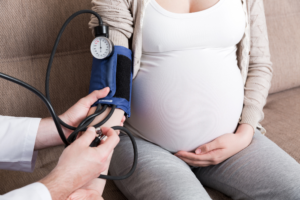
- High blood pressure during pregnancy requires careful monitoring.
- In some women, it can progress to preeclampsia, a serious condition that can affect several organs and the placenta.
- Regular blood pressure checks and appropriate tests can help doctors identify problems early.
Preeclampsia
- Preeclampsia is a pregnancy complication involving high blood pressure and signs of organ involvement, often affecting the kidneys or liver.
- It can develop after 20 weeks of pregnancy and may sometimes occur after delivery.
- Regular antenatal care is important because some women may have few symptoms initially.
Placenta-related problems
- The placenta plays an essential role in supplying oxygen and nutrients to the baby.
- Conditions such as placenta previa or placental abruption can create significant pregnancy risks.
- These conditions require medical evaluation and careful monitoring.
Thyroid disorders
- Both an underactive and overactive thyroid can affect pregnancy.
- Thyroid hormone levels are important for maternal health and fetal development.
- Women with known thyroid disorders may need regular blood tests and medication adjustments during pregnancy.
Signs of a High-Risk Pregnancy You Should Not Ignore
Not every high-risk pregnancy produces obvious symptoms. Some conditions are detected during routine tests before the mother notices anything unusual. However, certain warning signs require prompt medical attention.
Watch out for these symptoms:
- Heavy vaginal bleeding: Light spotting can occur for different reasons, but heavy bleeding during pregnancy should always be assessed by a healthcare professional.
- Severe abdominal or pelvic pain: Persistent or severe pain should not be ignored, particularly when it occurs with bleeding, fever, dizziness, or other symptoms.
- Severe headache or vision changes: A severe headache, blurred vision, flashing lights, or other changes in vision can sometimes be associated with high blood pressure or preeclampsia.
- Sudden swelling: Mild swelling can be common during pregnancy. Sudden or significant swelling, particularly of the face and hands, may need medical evaluation.
- Reduced fetal movement: Once you are regularly feeling your baby’s movements, a noticeable decrease or change in movement should be discussed with your doctor promptly.
- Fluid leaking from the vagina: A sudden gush or continuous leaking of fluid may indicate that the amniotic sac has ruptured and requires medical assessment.
- Breathlessness or chest pain: Severe breathing difficulty, chest pain, fainting, or a racing heartbeat should receive urgent medical attention.
If you experience any concerning symptoms, do not wait for your next scheduled appointment. Contact your maternity care team or seek urgent medical care.
How Is a High-Risk Pregnancy Monitored?
When a pregnancy is classified as high risk, monitoring is usually tailored to the specific concern. Your doctor may recommend more frequent appointments or additional investigations.
Regular antenatal appointments:These appointments allow your doctor to track your blood pressure, weight, symptoms, baby’s growth, and overall pregnancy progress.
Blood and urine tests: Blood tests can help identify anaemia, infections, blood sugar abnormalities, thyroid problems, and other conditions. Urine tests can help detect protein or other changes that may require further evaluation.
Ultrasound scans: Ultrasound examinations can help monitor fetal growth, development, the placenta, amniotic fluid, and other aspects of pregnancy. Women with certain risk factors may require more frequent scans than women with uncomplicated pregnancies.
Fetal monitoring: Depending on the stage and circumstances of pregnancy, your doctor may recommend tests to assess the baby’s heart rate and wellbeing.
Specialist consultations: Some high-risk pregnancies require input from specialists such as endocrinologists, cardiologists, maternal-fetal medicine specialists, or other healthcare professionals.
High-Risk Pregnancy vs Normal Pregnancy
It is easy to become worried when you hear the phrase “high risk.” However, understanding the difference between routine and high-risk pregnancy can help put things into perspective.
| Aspect | Routine Pregnancy | High-Risk Pregnancy |
| Monitoring | Regular antenatal appointments | May require more frequent appointments |
| Tests | Standard pregnancy tests and scans | Additional tests may be recommended |
| Health conditions | No major pregnancy-related concerns | Existing or pregnancy-related conditions may be present |
| Fetal monitoring | Based on routine pregnancy care | May require closer monitoring depending on risk |
| Specialist care | Usually managed by an obstetrician | May involve additional specialists |
| Delivery planning | Based on normal pregnancy progression | May require more detailed planning |
| Follow-up | Routine prenatal and postnatal care | Additional follow-up may be recommended |

Why Choose Ayaansh Hospital for Maternity Care in Bangalore?
Choosing the right hospital can make a significant difference when you need maternity care, particularly if your pregnancy requires closer monitoring. Ayaansh Hospital is a preferred choice for women looking for a Maternity Hospital in Bangalore because of its focus on comprehensive maternal and pregnancy care. As a Multispeciality Hospital in Bangalore, Ayaansh Hospital can provide access to different areas of medical expertise when pregnancy care requires additional support.
The maternity team can monitor the mother’s health, follow the baby’s development, identify potential complications early, and help create an appropriate pregnancy and delivery plan. The hospital’s multispeciality environment can also be valuable for women with existing medical conditions that may require coordinated care during pregnancy.
Most importantly, pregnancy care should feel informative and supportive, not confusing or overwhelming. Having an experienced medical team that listens to your concerns, explains investigations clearly, and guides you through each stage can make the journey more manageable. For women searching for a Maternity Hospital in Bangalore, Ayaansh Hospital offers a setting where maternal and fetal wellbeing can remain at the centre of pregnancy care.
High-Risk Does Not Mean You Have to Face Pregnancy Alone
Hearing the words “high-risk pregnancy” can immediately make your mind jump to the worst possibilities. But a high-risk pregnancy is not a prediction that something will go wrong. It is a reason for your healthcare team to pay closer attention, monitor your health more carefully, and take action if a concern develops.
Understanding What Is a high-risk pregnancy? signs and risk factors can help you recognise why certain pregnancies require additional care. Age, existing medical conditions, previous pregnancy complications, multiple pregnancy, gestational diabetes, high blood pressure, preeclampsia, placenta-related problems, and fetal growth concerns are some of the factors that may lead to closer monitoring.
The good news is that many of these conditions can be managed with timely medical care. Regular antenatal appointments give your obstetrician the opportunity to track your health and your baby’s development. Tests and scans can identify potential problems early, while personalised treatment can help manage conditions when they arise.
For women looking for a Maternity Hospital in Bangalore, having access to experienced obstetric care and comprehensive medical support can provide reassurance throughout pregnancy. Ayaansh Hospital, a Multispeciality Hospital in Bangalore, offers maternity care designed around the needs of mothers and babies, including pregnancies that require additional monitoring.